


Kesimpulan Utama
- Pakar-pakar yang berafiliasi dengan hospital menyediakan laluan kepada Jagaan kecemasan 24/7, pengimejan dan kerja makmal yang tidak dapat ditawarkan oleh klinik luar.
- Menjadi pesakit sedia ada dalam sistem hospital bermakna rekod anak anda boleh diakses serta-merta semasa kecemasan, menghapuskan keperluan untuk mengulang sejarah perubatan di bawah tekanan.
- Kebanyakan Kad Perubatan Malaysia dan panel insurans (TPA) direka untuk penjagaan berasaskan hospital, memastikan kemasukan tanpa tunai yang lebih lancar.
- Memiliki pakar dengan hak kemasukan boleh mempercepatkan peralihan dari Jabatan Kecemasan ke katil wad.
- A klinik gabungan hospital membolehkan peralihan yang lancar daripada penjagaan kehamilan ibu kepada pemantauan kesihatan jangka panjang anak.
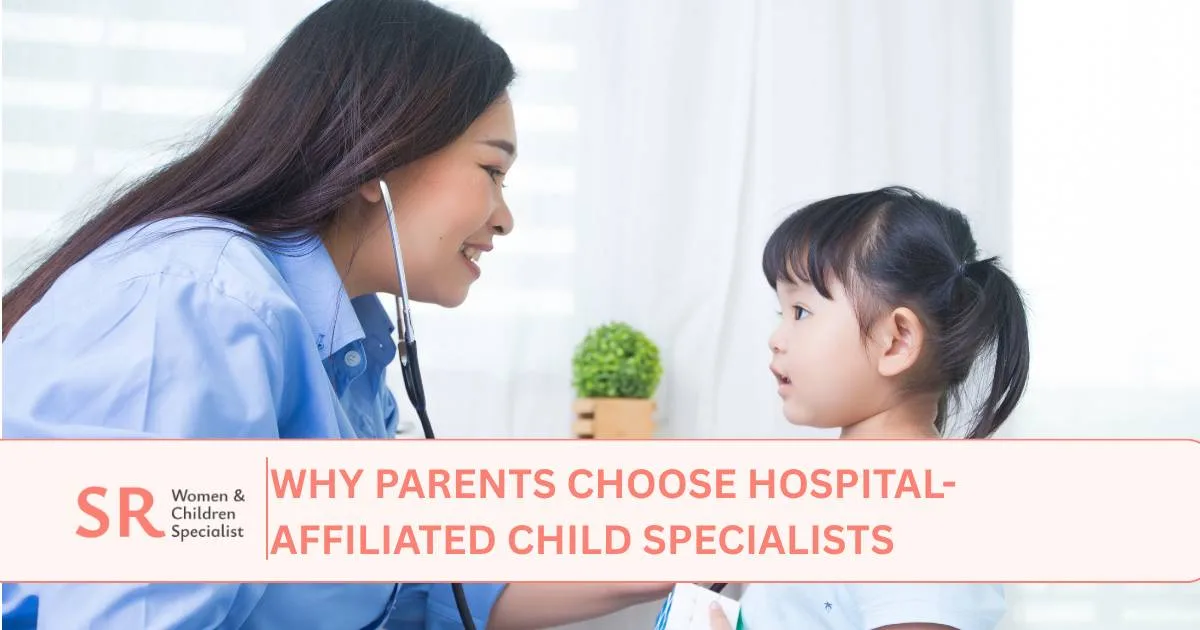
Pakar kanak-kanak yang berafiliasi dengan hospital adalah pakar pediatrik atau pakar sub-spesialis yang mengekalkan amalan utama mereka di dalam hospital atau mempunyai hak kemasukan rasmi ke hospital. Berbeza dengan doktor klinik kendiri, mereka beroperasi dalam infrastruktur perubatan 24/7, menyediakan pesakit dengan akses segera ke wad pesakit, jabatan kecemasan, makmal diagnostik termaju, dan unit khusus seperti NICU atau PICU.
Memilih doktor untuk anak anda adalah salah satu keputusan paling penting yang akan anda buat sebagai ibu bapa. Di Malaysia, di mana kita dikurniakan dengan gabungan klinik swasta dan hospital bertaraf dunia yang mantap, pilihan selalunya bergantung kepada kemudahan berbanding penjagaan yang komprehensif.
Bagi kebanyakan ibu di Malaysia, keputusan untuk memilih pakar kanak-kanak yang berafiliasi dengan hospital (seperti Hospital Gleneagles Johor) bukan sahaja mengenai kelayakan doktor—tetapi juga ketenangan fikiran yang datang dengan mengetahui ekosistem perubatan 24/7 menyokong anak anda.
Kelebihan pakar kanak-kanak yang berafiliasi dengan hospital
Setiap ibu bapa di Malaysia tahu Detik panik jam 2 pagi. Anak anda demam yang tidak mahu surut, atau bunyi pernapasannya agak laju. Dalam detik-detik seperti ini, bukan hanya tentang betapa mahirnya doktor tersebut; ia juga tentang Seberapa cepat bantuan tersedia.
Di sinilah pakar kanak-kanak yang berafiliasi dengan hospital membuat perbezaan yang besar.
Lebih daripada sekadar doktor berdekatan
Apabila anda memilih pakar kanak-kanak yang bekerja di hospital, anda bukan sekadar berjumpa doktor. Anda mendapat akses kepada sistem penjagaan penuh yang sedia bertindak.
Ini sering dipanggil sebagai ekosistem kesiapsiagaan di mana segala yang diperlukan oleh anak anda sudah tersedia di satu tempat.
Akses lebih pantas kepada rawatan kecemasan
Di klinik biasa, jika anak anda sakit tenat, anda mungkin perlu:
- Dapatkan surat rujukan
- Pergi ke hospital
- Mulakan semula dengan pasukan perubatan baharu
Ini boleh menjadi tekanan, terutamanya dalam kecemasan.
Tetapi dalam suasana yang berkaitan dengan hospital, keadaan berbeza:
- X-ray hanya berjalan kaki sahaja
- Ujian darah boleh dilakukan dengan segera
- Nebulizer atau rawatan kecemasan tersedia di lokasi
Semuanya bersambung dan sedia apabila anak anda memerlukannya.
Penyelarasan yang lebih baik dalam kecemasan
Satu lagi faedah penting ialah kesinambungan penjagaan.
Sekiranya anak anda perlu ke Jabatan Kecemasan (A&E):
- Pasukan hospital sering kali boleh mengakses rekod perubatan anak anda
- Mereka boleh berkomunikasi dengan cepat dengan pakar anak anda
- Sejarah rawatan anak anda sudah diketahui
Ini mengurangkan kelewatan dan mengelakkan pengulangan maklumat yang sama semasa saat-saat genting.
Jaring keselamatan terbina untuk ibu bapa
Walaupun pakar kanak-kanak anda telah tamat waktu klinik, sistem hospital terus menyokong anda. Jabatan Kecemasan boleh membantu dan menyelaras penjagaan dengan rangkaian perubatan yang sama.
Ini mencipta Jaringan keselamatan 24/7, amat membantu terutamanya untuk kanak-kanak kecil yang boleh jatuh sakit dengan cepat.
Memilih pakar kanak-kanak yang bergabung dengan hospital bermakna lebih daripada sekadar memilih doktor. Ia bermakna memilih:
- Akses yang lebih pantas kepada penjagaan kecemasan
- Penyelarasan yang lebih baik antara pasukan perubatan
- Sistem yang lengkap dan sentiasa bersedia untuk bertindak balas
Bagi ramai ibu bapa, “ekosistem sedia ada” ini memberikan ketenangan fikiran—terutamanya semasa kecemasan lewat malam.
Mengurangkan Beban Mental untuk Ibu Bapa Malaysia
Ramai ibu bapa Malaysia terutamanya ibu, menguruskan pelbagai perkara dalam satu masa:
- Tanggungjawab kerja
- Kerja rumah dan perancangan harian
- Menjaga lebih daripada seorang anak
Perjuangan berterusan ini mewujudkan beban mental yang berat. Ia menjadi lebih sukar semasa kecemasan perubatan.
Semuanya dalam satu rekod perubatan
Salah satu kelebihan terbesar pakar kanak-kanak yang berafiliasi dengan hospital adalah sesuatu yang kebanyakan ibu bapa tidak fikirkan, iaitu Sistem Rekod Perubatan Tunggal.
Dalam kumpulan hospital utama di Malaysia, seperti:
- IHH Healthcare Malaysia (termasuk hospital seperti Gleneagles Hospital Kuala Lumpur dan Pantai Hospital Kuala Lumpur)
- KPJ Healthcare
Rekod perubatan anak anda disimpan dalam satu sistem digital yang dipanggil Rekod Perubatan Elektronik (EMR).
Apa yang disimpan dalam sistem?
Sejarah perubatan penuh anak anda disimpan di satu tempat, termasuk:
- Butiran kelahiran dan berat
- Rekod vaksinasi
- Sejarah penyakit dan rawatan
- Alergi atau reaksi terhadap ubat
Mengapakah ini penting semasa kecemasan
Dalam situasi yang penuh tekanan seperti tergesa-gesa ke Jabatan Kecemasan, anda tidak perlu mengingati setiap perincian.
Contohnya:
- Anda tidak perlu mengingati nama ubat atau dos yang tepat dari beberapa bulan lepas
- Anda tidak perlu mengulangi sejarah perubatan penuh anak anda berulang-ulang.
- Doktor boleh segera melihat apa yang telah dilakukan.
Kurang tekanan, kurang kesilapan
Oleh kerana semua rekod telah tersedia:
- Doktor boleh membuat keputusan dengan lebih pantas
- Risiko kesilapan ubat berkurangan
- Ibu bapa tidak perlu mengulang cerita yang sama berkali-kali
Penjagaan yang berafiliasi dengan hospital membantu mengurangkan beban mental ibu bapa. Dengan sistem perubatan yang bersambung, sejarah kesihatan anak anda mengikutinya ke mana-mana sahaja di hospital, menjadikan penjagaan kecemasan lebih pantas, lancar, dan kurang tekanan untuk anda.
Klinik vs. Pakar Berbasis Hospital
Patutkah anda terus ke klinik di kawasan kejiranan anda, atau sudah tiba masanya untuk menaik taraf ke pakar di hospital?
Ciri | Klinik Kejiranan | Pakar Bersekutu Hospital |
Yang terbaik untuk | Batuk/selesema rutin, vaksinasi pantas. | Kes yang kompleks, keadaan kronik, kecemasan. |
Masa Menunggu | Secara amnya lebih pendek dan lebih fleksibel. | Boleh menjadi lebih lama kerana rondaan doktor di wad. |
Kemudahan | Asas (mungkin kekurangan sinar-X/makmal lanjutan). | Komprehensif (X-ray, MRI, Makmal Darah, NICU). |
Penjagaan Pesakit | Perlu merujuk anda ke tempat lain. | Boleh dimasukkan terus ke wad. |
Kos | Kos luar poket yang lebih rendah. | Lebih tinggi, tetapi biasanya dilindungi oleh Kad Perubatan. |
Jika anak anda sihat secara amnya, klinik di kawasan kejiranan adalah pilihan yang hebat dan kos efektif untuk penyakit ringan.
Walau bagaimanapun, bagi doktor utama kanak-kanak, doktor yang mengetahui perkembangan mereka dan mengendalikan fail utama mereka, pakar yang berafiliasi dengan hospital adalah pilihan yang lebih selamat dalam jangka masa panjang bagi senario “Jika berlaku apa-apa”.
Bacaan lanjut: Bilakah anak anda perlu berjumpa pakar pediatrik dan bukannya doktor am?
Menavigasi Insurans dan Rujukan Hospital di Malaysia
Ramai keluarga bandar Malaysia menggunakan kad perubatan untuk penjagaan kesihatan. Walau bagaimanapun, adalah penting untuk memahami cara perlindungan berfungsi:
- Kad Perubatan Standard: Biasanya meliputi kemasukan ke hospital (inpatient) dan prosedur pembedahan.
- Penjagaan Pesakit Luar Lawatan rutin ke GP untuk selesema atau batuk ringan biasanya merupakan perbelanjaan “di luar poket” kecuali majikan anda menyediakan faedah pesakit luar korporat khusus.
- Perundingan Pakar Sesetengah polisi membenarkan anda menuntut semula yuran perundingan pakar jika ia membawa kepada kemasukan wad atau rawatan susulan dalam tempoh masa tertentu (contohnya, 30–60 hari).
Pakar yang memahami sistem insurans
Pakar kanak-kanak yang bekerja di hospital mempunyai pengalaman dalam bekerja dengan:
- Sistem Pentadbir Pihak Ketiga (TPA)
- Keperluan panel insurans
- Proses pengebilan dan kelulusan hospital
Mereka tahu dokumen apa yang diperlukan dan cara menyerahkannya dengan betul.
Kelulusan rawatan yang lebih pantas
Jika anak anda memerlukan rawatan, pakar boleh membantu menyediakan dokumen yang diperlukan untuk:
- Surat Jaminan
Ini adalah surat kelulusan daripada penyedia insurans anda yang membenarkan rawatan hospital diteruskan tanpa bayaran pendahuluan (bergantung pada polisi anda).
Kerana doktor-doktor yang berafiliasi dengan hospital sudah mahir dengan proses ini, kelulusan biasanya lebih lancar dan pantas.
Penerimaan hospital yang lebih pantas apabila anak anda sakit
Jika anak anda perlu dimasukkan ke hospital, pakar-pakar yang berafiliasi dengan hospital boleh membantu mempercepatkan proses tersebut.
Begini cara ia berfungsi:
- Pakar itu sudah mempunyai hak kemasukan di hospital
- Mereka boleh bercakap terus dengan pasukan penolong
- Mereka boleh mengesahkan sama ada kemasukan diperlukan lebih awal
Ini sering dipanggil proses kemasukan pantas.
Kurangkan masa menunggu semasa kecemasan
Daripada:
- Menunggu berjam-jam di Jabatan Kecemasan (A&E)
- Penilaian berulang sebelum mendapat katil
Anak anda mungkin:
- Pra-penilaian oleh pakar mereka
- Pra-kelulusan untuk kemasukan jika perlu
- Diterima dengan lebih lancar dan pantas
Pakar kanak-kanak yang berafiliasi dengan hospital membantu ibu bapa mengurus bukan sahaja penjagaan perubatan, tetapi juga proses kelulusan insurans dan hospital. Ini menjadikan rawatan lebih pantas, urusan kertas lebih mudah, dan kemasukan kecemasan kurang tekanan.
Kesimpulan: Penjagaan Pakar
Kesihatan ibu dan anaknya saling berkait rapat. Inilah sebabnya model penjagaan bersepadu di mana pakar ginekologi ibu dan doktor kanak-kanak bekerja di hospital yang sama menjadi pilihan utama keluarga Malaysia.
Memilih pakar kanak-kanak yang berafiliasi dengan hospital adalah pelaburan dalam kesihatan mental anda sendiri sama seperti kesihatan fizikal anak anda. Dalam landskap penjagaan kesihatan Malaysia yang kompleks, mempunyai doktor yang boleh bergerak dengan lancar antara rondaan pesakit luar dan kecemasan pesakit dalam sangat berharga.
Dr Tey Shea Reen, seorang Pakar Perunding Obstetrik, Ginekologi, dan Pakar Kesuburan yang terkenal, menyediakan asas untuk perjalanan ini. Kepakarannya dalam kesuburan dan kesihatan ibu memastikan kesihatan ibu dioptimumkan walaupun sebelum persenyawaan dan sepanjang kehamilan.
Tempah temu janji di Hospital Gleneagles Johor hari ini.
Penafian: Kandungan ini adalah untuk tujuan maklumat sahaja dan bukan merupakan nasihat perubatan atau kewangan. Sentiasa berunding dengan profesional penjagaan kesihatan yang berkelayakan atau penyedia insurans anda untuk isu-isu tertentu.
Sumber:
- Kementerian Kesihatan Malaysia (KKM): Fi Perkhidmatan Perubatan (Kadar penjagaan kesihatan awam).
- Pendaftar Pakar Kebangsaan (NSR): Pangkalan Data Rasmi (Sijil pakar).
- Persatuan Insurans Am Malaysia (PIAM) / LIAM: Garis Panduan Insurans Perubatan (Proses TPA dan GL).
- Laporan Tahunan IHH/KPJ: Inisiatif Kesihatan Digital (Data Pelaksanaan EMR).
Soalan Lazim Mengenai Pakar Kanak-Kanak Bersekutu Hospital
Adakah pakar-pakar yang berafiliasi dengan hospital lebih mahal daripada doktor klinik?
Ya, yuran perundingan hospital swasta (dikawal oleh Akta Kemudahan dan Perkhidmatan Jagaan Kesihatan Swasta) umumnya lebih tinggi daripada klinik GP tunggal. Untuk pilihan yang lebih mesra bajet, warganegara Malaysia boleh mendapatkan rawatan di klinik pakar kerajaan. Walaupun penjagaan pesakit luar am berharga RM1, perundingan pakar di hospital kerajaan biasanya bermula pada RM30 (rujukan diperlukan) dan mungkin melibatkan masa menunggu yang lebih lama.
Bolehkah saya berjumpa pakar hospital untuk demam biasa atau hanya untuk kecemasan?
Anda pasti boleh membawa mereka untuk pemeriksaan rutin dan penyakit ringan. Ramai ibu bapa lebih suka ini agar anak mereka selesa dengan doktor dan persekitaran hospital sebelum kecemasan berlaku.
Apakah maksud NSR apabila mencari doktor?
NSR bermaksud Daftar Pakar Kebangsaan. Ia adalah pangkalan data rasmi Malaysia yang mengesahkan seorang doktor telah menyelesaikan latihan pascasiswazah dan kerja penyeliaan yang perlu untuk diiktiraf sebagai pakar. Anda boleh mengesahkan status mana-mana doktor di laman web NSR untuk memastikan anak anda berada di tangan pakar.
Mengapakah sistem EMR berguna?
Dalam kumpulan besar seperti KPJ Healthcare atau IHH Healthcare, sejarah anak anda daripada berat lahir hingga peringatan alahan disimpan dalam Rekod Perubatan Elektronik (EMR). Walaupun kebanyakan hospital pada masa kini menyimpan rekod dalam rangkaian mereka sendiri, mempunyai satu fail digital di hospital utama anda memastikan bahawa jika anda bergegas ke Jabatan Kecemasan pada pukul 3 pagi, doktor yang bertugas dapat melihat sejarah penuh anak anda dengan serta-merta.
Mengapakah NICU/PICU penting?
KPBB (Kawasan Perawatan Bayi Kritikal) dan KPCA (Kawasan Perawatan Kanak-kanak Kritikal) adalah wad khusus untuk bayi dan kanak-kanak yang sakit kritikal. Klinik sendiri tidak mempunyai kemudahan ini. Mempunyai pakar yang berafiliasi dengan hospital yang mempunyai unit-unit ini memastikan bahawa jika anak anda pernah sakit teruk, mereka tidak perlu dipindahkan ke kemudahan lain.
Bagaimana cara saya beralih dari klinik semasa saya ke pakar yang berafiliasi dengan hospital?
Ia agak mudah. Anda boleh menempah janji temu terus dengan klinik. Adalah berguna untuk membawa bersama buku kesihatan anak anda yang lepas (Buku Biru/Jambung) atau apa-apa rekod perubatan lepas untuk membantu pakar baharu mengemas kini sistem EMR mereka.