

Kesimpulan Utama
- Cuba berjalan-jalan sebentar dalam masa 24 jam pertama (dengan sedikit bantuan). Ini menjaga aliran darah anda dan membantu mencegah pembentukan darah beku yang berbahaya.
- Untuk melindungi jahitan pada perut anda, jangan duduk tegak di atas katil. Sebaliknya, berguling ke sisi anda terlebih dahulu kemudian tolak diri anda ke atas.
- Walaupun anda tidak melahirkan secara faraj, otot lantai pelvis anda telah menanggung bayi yang berat selama sembilan bulan. Otot-otot ini masih memerlukan senaman lembut untuk kembali kuat.
- Jangan risau tentang sakit bahu. Sangat biasa untuk merasa sakit di bahu selepas pembedahan. Biasanya ia hanya gas terperangkap yang menekan saraf, bukan kecederaan otot.
- Anda masih boleh mempunyai lebih ramai anak. Memiliki kelahiran secara caesarean tidak bermakna kehamilan anda yang seterusnya akan “berbahaya”. Dalam banyak kes, anda juga boleh cuba melahirkan secara normal (VBAC) pada kehamilan seterusnya.
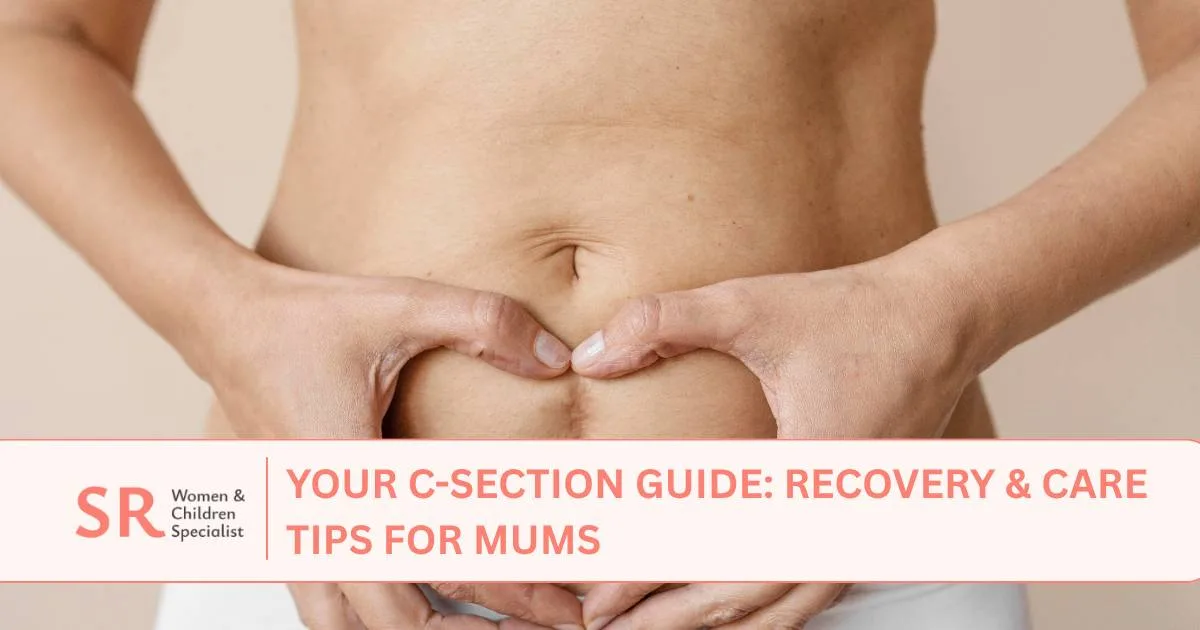
A C-section, atau pembedahan Caesarean, ialah prosedur pembedahan utama di mana bayi dilahirkan melalui hirisan yang dibuat pada abdomen dan rahim ibu. Ia digunakan apabila kelahiran faraj tidak dapat dilakukan atau tidak selamat. Pemulihan melibatkan penyembuhan Insisi Pfannenstiel sambil menguruskan tuntutan fizikal menjaga bayi yang baru lahir.
Jika anda sedang cuba untuk hamil atau berada dalam minggu-minggu terakhir kehamilan, pemikiran tentang pembedahan mungkin menakutkan.
Tetapi inilah kebenaran daripada pakar sakit puan: C-zer dapat menjadi cara yang indah untuk melahirkan bayi anda. Sama ada ia dirancang atau tidak, menjalani C-zer menunjukkan betapa kuatnya anda sebenarnya.
Pemulihan Seksyen-C: Minda Atlet
Di Malaysia, secara tradisional Pantang tempoh berpantang sering dilihat sebagai masa rehat sepenuhnya dan pantang larang yang ketat. Walaupun berehat adalah penting untuk pemulihan selepas pembedahan Caesarean, kami menggalakkan anda melihat diri anda sebagai “Atlet Pembedahan” berbanding sekadar pesakit.
Pemulihan Aktif selepas Pembedahan Seksio
Sama seperti atlet profesional yang pulih dari kecederaan sukan, penyembuhan dari pembedahan caesarean memerlukan keseimbangan antara rehat dan pemulihan aktif. Atlet tidak hanya duduk diam; mereka melakukan pergerakan yang lembut dan selamat untuk membantu otot mereka pulih lebih cepat dan mengelakkan kekejangan.
Mengapa minda ini membantu anda pulih:
- Pemberdayaan Anda bukan sekadar menjalani pembedahan; anda sedang memulihkan semula teras dan semangat anda.
- Agensi: Berfikir seperti seorang atlet memberi anda rasa kawalan terhadap kesihatan anda.
- Keputusan Lebih Cepat Daripada menunggu badan anda “memulihkannya sendiri”, anda secara aktif bekerjasama dengan badan anda untuk mendapatkan semula kekuatan anda.
Dengan menukar perspektif anda, anda beralih daripada keadaan menunggu secara pasif kepada penyembuhan proaktif, memastikan peralihan ke alam keibuan yang lebih lancar.
Cara Bangun Dari Katil Dengan Selamat: Teknik Gulungan Kayu Balak
Keluar dari katil buat kali pertama selepas pembedahan caesarean boleh terasa seperti cabaran yang besar. Untuk melindungi jahitan anda dan mengurangkan kesakitan, gunakan Gulung Kayu kaedah.
Teknik ini membantu anda bergerak tanpa menggunakan otot perut anda yang sakit.
Langkah-langkah untuk Menggulung Badan (Log Roll):
- Tekuk lutut anda sambil berbaring terlentang.
- Gulung ke sisi anda perlahan-lahan, sambil merapatkan lutut anda.
- Tekan badan ke atas dengan tangan sementara anda membiarkan kaki anda tergantung di tepi katil, pada masa yang sama.
Dengan mengikuti langkah-langkah ini, anda mengelakkan ketegangan pada luka anda (kesan pembedahan), menjadikannya lebih mudah untuk berdiri.
Menjaga Luka dan Badan Anda Selepas Bersalin
Kebanyakan Caesarean modens guna sebuah Insisi Pfannenstiel. Ini adalah hirisan mendatar, selalunya dipanggil “hirisan bikini”, kerana ia terletak sangat rendah pada bahagian perut anda, lazimnya tersembunyi oleh garis seluar dalam anda.
Cara Menjaga Jahitan Anda
Dalam cuaca Malaysia yang panas dan lembap, sangat penting untuk Pastikan luka anda bersih dan kering untuk mengelakkan jangkitan.
- Hentikan Peluh: Oleh kerana kelembapan, peluh mudah terkumpul di lipatan kulit anda berdekatan jahitan.
- Kekalkan Kering Selepas anda mandi, jangan gosok kawasan tersebut. Sebaliknya, gunakan tuala bersih yang lembut untuk menepuk kulit sehingga kering dengan lembut.
Apa itu Lochia? (Pendarahan selepas bersalin)
Ramai ibu terkejut apabila mendapati mereka mengalami pendarahan “di bahagian bawah” walaupun mereka tidak bersalin secara faraj. Pendarahan ini dipanggil lochia.
- Ia Normal Ini hanyalah rahim anda yang meluruhkan lapisan selepas kehamilan.
- Apa Yang Dijangkakan: Pada mulanya ia akan kelihatan seperti pendarahan yang banyak dan kemudian akan berkurangan dalam beberapa minggu. Ini adalah sebahagian semula jadi daripada proses penyembuhan badan anda.
Memahami Pemeriksaan Fundus
Tidak lama selepas pembedahan anda, jururawat anda akan melakukan penilaian asas.
Ini melibatkan jururawat menekan bahagian atas perut anda dengan lembut tetapi tegas untuk merasai rahim anda.
- Mengapa ia dilakukan: Pemeriksaan ini memastikan rahim anda menjadi pejal dan mengecut semula. Ini penting untuk mengelakkan pendarahan berat selepas pembedahan.
- Apa rasanya: Ia mungkin terasa sakit atau sedikit lebam di dekat luka anda, tetapi ia adalah pemeriksaan penting untuk memastikan penyembuhan yang betul.
Penjagaan Lantai Pelvik Selepas Pembedahan Caesarean: Mengapa Ia Masih Penting
Ramai wanita percaya bahawa pembedahan caesar dapat mencegah masalah lantai pelvis. Hakikatnya, otot lantai pelvis anda masih mengalami tekanan yang signifikan semasa kehamilan.
Selama sembilan bulan, otot-otot ini menyokong bayi anda yang membesar. Penambahan berat ini boleh meregangkan dan melemahkan lantai pelvis, walaupun tanpa kelahiran vagina.
Hormon kehamilan juga memainkan peranan. Ia melembutkan dan meregangkan otot anda untuk mempersiapkan badan anda untuk bersalin. Akibatnya, anda mungkin mengalami simptom seperti kebocoran pundi kencing, tekanan di pelvis, atau rasa berat selepas bersalin.
Mengapa Penjagaan Lantai Pelvik Penting Selepas Pembedahan Caesarean
Menjaga lantai pelvis anda selepas pembedahan caesarean membantu untuk:
- Bina semula kekuatan teras: Menguatkan otot perut dan pelvik untuk menyokong postur, kestabilan, dan pemulihan fizikal keseluruhan selepas bersalin.
- Tingkatkan kawalan pundi kencing: Membantu mengurangkan kebocoran air kencing dengan menguatkan otot yang menyokong pundi kencing dan mengawal pembuangan air kencing.
- Kurangkan tekanan pelvis: Melegakan rasa berat atau ketidakselesaan dengan memulihkan kekuatan dan sokongan kepada otot lantai pelvik yang lemah.
- Cegah komplikasi jangka panjang: Mengurangkan risiko prolaps, inkontinens, dan masalah pelvis kronik dengan pemulihan otot pasca bersalin dan penjagaan yang betul.
Ramai ibu yang bersalin secara pembedahan caesarean masih mengalami sedikit masalah terkencing atau rasa tidak selesa. Ini adalah normal tetapi tidak seharusnya diabaikan.
Bila hendak memulakan pemulihan lantai pelvik
Apabila doktor anda memberikan kebenaran (biasanya sekitar 6 minggu selepas bersalin), pertimbangkan untuk berjumpa dengan ahli fisioterapi kesihatan wanita. Mereka boleh membimbing anda melalui senaman lantai pelvik yang selamat dan berkesan untuk menyokong pemulihan.
Mengutamakan penjagaan lantai pelvis selepas pembedahan caesarean boleh membantu anda pulih lebih cepat, berasa lebih kuat, dan mengelak masalah kesihatan masa depan.
Bacaan lanjut: Memahami Uroginekologi dan Kesihatan Pelvik di Malaysia
Membantu Saraf Anda Sembuh: Panduan Mudah Penjagaan Parut
Pada masa ini, gosokkan bahan-bahan yang berbeza dengan perlahan pada parut anda selama beberapa minit setiap hari. Ini mengajar saraf anda cara mengendalikan perasaan yang berbeza semula.
- Mulakan dengan sesuatu yang sangat lembut, seperti bebola kapas.
- Bergerak ke sesuatu yang licin, seperti selendang sutera.
- Akhir sekali, gunakan sesuatu yang sedikit kasar, seperti tuala lembut.
Minggu ke-8 dan Seterusnya: Urutan Parut C-Section
Setelah luka anda sembuh sepenuhnya, anda boleh mulakan dengan perlahan Urutan parut. Ini menghentikan tisu parut daripada “melekat” pada otot di bawahnya (ini dipanggil lekatan).
Mengapa urutan membantu:
- Mencegah rak C-section: Ia membantu meratakan bonjolan yang kadang-kadang terbentuk di atas parut.
- Pergerakan Lebih Baik Ia memastikan kulit anda boleh bergerak bebas dan tidak terasa tegang apabila anda meregang atau membengkok.
- Mengurangkan Kesakitan: Ia membantu saraf bertenang supaya kawasan tersebut kurang sensitif.
Kehamilan Selepas Pembedahan Seksio Caesarean: Adakah Kehamilan Anda Seterusnya Berisiko Tinggi?
Jika anda merancang kehamilan selepas pembedahan C, anda mungkin bimbang tubuh anda kini “lebih lemah” atau berisiko lebih tinggi. Hakikatnya, ramai wanita meneruskan kehamilan sihat selepas bersalin secara caesarean.
Berikut adalah fakta-fakta untuk membantu anda berasa lebih yakin dan bersedia.
Anda Masih Boleh Melahirkan Secara Semulajadi
Menjalani satu pembedahan C-sec tidak bermakna anda perlu menjalaninya lagi. Ramai wanita berjaya menjalani VBAC (Kelahiran Faraj Selepas Pembedahan Caesar).
Jika pembedahan caesarean anda sebelum ini sembuh dengan baik dan sebab asal tidak berulang, kelahiran normal mungkin menjadi pilihan yang selamat dan sesuai. Sentiasa berbincang dengan doktor anda untuk memahami apa yang terbaik untuk situasi anda.
2. Benarkan Badan Anda Pulih
Penyembuhan yang sempurna adalah penting untuk kehamilan yang selamat selepas pembedahan C-section.
Kebanyakan doktor mengesyorkan selang kehamilan 18 hingga 24 bulan. Ini bermaksud menunggu sekurang-kurangnya 18 bulan dari tarikh kelahiran bayi anda sebelum mengandung yang seterusnya.
Ini memberikan parut rahim anda peluang terbaik untuk mendapatkan semula kekuatannya sepenuhnya, mengurangkan risiko untuk kehamilan anda yang seterusnya dengan ketara.
3. Pembedahan Caesarean Tidak Mempengaruhi Kesuburan Anda
C-section sebelum ini tidak bermakna anda akan menghadapi masalah untuk hamil semula.
Namun, doktor anda mungkin memantau kehamilan anda dengan lebih rapi. Ini mungkin termasuk memeriksa:
- Posisi uri
- Ketebalan parut rahim
- Perkembangan kehamilan secara keseluruhan
Pemantauan tambahan ini adalah untuk memastikan anda dan bayi anda sentiasa selamat dan sihat.
Kehamilan Sihat Masih Mungkin
Dengan penjagaan yang betul dan panduan perubatan, kehamilan anda seterusnya selepas pembedahan C-section boleh sama sihat dan positif seperti kehamilan pertama anda.
Memahami tubuh anda, memberi masa untuk sembuh, dan mendapat sokongan yang sewajarnya adalah kunci kepada perjalanan kehamilan yang selamat dan yakin.
Kesimpulan
Proses pulih daripada pembedahan caesarean adalah satu perjalanan yang memerlukan kesabaran dan ketekunan. Ia juga tentang menghargai parut yang membawa keajaiban anda ke dunia sambil memberikan diri anda ruang untuk sembuh.
Pada SR Wanita dan Kanak-kanak, kami percaya setiap kisah kelahiran patut diraikan dengan penuh keyakinan. Kami Perkhidmatan kesihatan wanita & kanak-kanak menyediakan penjagaan komprehensif yang merapatkan jurang antara keperluan pembedahan dan pengalaman yang lembut, berpusatkan keluarga.
Di bawah bimbingan pakar Dr Tey Shea Reen, pasukan kami menyediakan pelan pemulihan selepas pembedahan Caesarean yang diperibadikan, pengurusan penjagaan luka, dan sokongan emosi.
Sumber:
- ACOG (American College of Obstetricians and Gynecologists): Peta Penjagaan Selepas Bersalin & Garis Panduan VBAC (2023-2024).
- WHO (Pertubuhan Kesihatan Sedunia): Cadangan Penjagaan Selepas Bersalin (2022).
- NICE (Institut Kesihatan dan Kelakuan Cemerlang Kebangsaan): Garis Panduan Kelahiran Caesarean (Terkini 2024).
- Kementerian Kesihatan Malaysia (KKM): Protokol Jagaan Selepas Bersalin.
- Jurnal Kejururawatan Obstetrik, Ginekologi, & Neonatal: Kelewatan laktogenesis II dalam penghantaran secara Cesarean.
Penafian: Panduan ini adalah untuk tujuan maklumat sahaja dan tidak menggantikan nasihat perubatan profesional. Untuk pelan pemulihan yang disesuaikan dengan keperluan khusus anda, sila rujuk dengan profesional perubatan yang berkelayakan.
Soalan Lazim Pakar Ortopedik Pediatrik
Adakah anak saya terlalu muda untuk konsultasi ortopedik?
Tiada. Pakar ortopedik pediatrik merawat pesakit dari lahir. Intervensi awal untuk keadaan seperti displasia pinggul atau kaki kelab sering menghalang keperluan untuk pembedahan besar di kemudian hari.
Plat pertumbuhan ialah kawasan rawan di hujung tulang panjang yang membolehkan tulang memanjang. Ia penting kerana ia bertanggungjawab untuk pertumbuhan tulang semasa kanak-kanak dan remaja. Plat pertumbuhan membolehkan tulang tumbuh lebih panjang, yang penting untuk ketinggian dan perkembangan individu.
Plat pertumbuhan adalah kawasan tisu rawan yang sedang berkembang berhampiran hujung tulang panjang. Oleh kerana ia adalah bahagian terakhir tulang yang mengeras (mengalami penulangan), ia mudah terdedah. Kerosakan di sini boleh menyebabkan tulang tumbuh senget atau berhenti tumbuh sama sekali.
Doktor saya kata tunggu dan lihat sahaja mengenai kaki#039;anak saya yang melengkung. Perlukah saya mendapatkan pendapat kedua?
Walaupun ramai kanak-kanak mempunyai kaki melengkung yang akan lurus dengan sendiri, pakar kanak-kanak boleh membezakan antara kaki melengkung fisiologi (normal) dan keadaan patologi seperti penyakit Blount. Jika anda bimbang, ketenangan yang diberikan oleh pakar amat berharga.
Apakah Kaedah Ponseti?
Ia adalah rawatan standard emas, bukan pembedahan untuk kaki kelab. Ia melibatkan satu siri manipulasi manual lembut dan tuangan plaster untuk menggerakkan kaki secara beransur-ansur ke kedudukan yang betul.
Adakah pembedahan tulang pediatrik sentiasa merupakan prosedur utama?
Sebenarnya, ramai yang invasif minimum. Kerana kanak-kanak sembuh dengan baik, pakar sering menggunakan paku intramedular fleksibel atau pin kecil melalui hirisan kecil. Ini membolehkan tulang sembuh sambil kekal elastik, menghasilkan parut yang minimum dan kembali bermain dengan lebih pantas.
Bagaimana saya tahu jika seorang pakar bedah adalah pakar bedah pediatrik tulen di Malaysia?
Anda perlu mengesahkan kelayakan mereka pada Daftar Pakar Kebangsaan (NSR) laman web. Cari kepakaran "Pembedahan Ortopedik." Selain itu, pastikan ahli bedah telah melengkapkan kelayakan yang diiktiraf Latihan Perubatan (Fellowship) dalam Ortopedik Pediatrik, yang menyediakan kepakaran khusus yang diperlukan untuk mengurus plat pertumbuhan yang semakin membesar.